Small-dose eye serum capsules
Compact capsule formats for under-eye or targeted eye-area routines where one unit must feel intentional.
Eye care capsule route
A small-dose capsule route for eye-area products where the intended amount, mold capacity, opening experience and premium pack must work together.
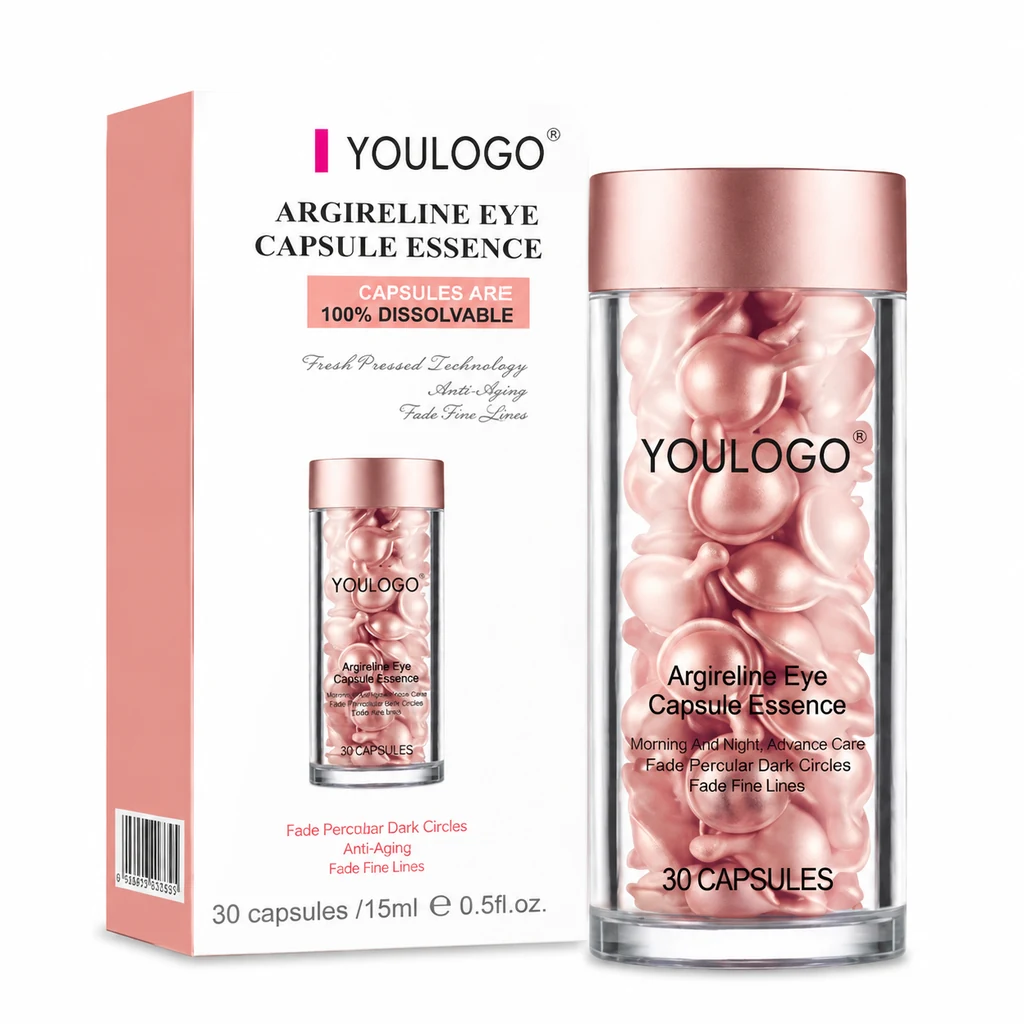
Feature, advantage, buyer outcome
Feature: smaller capsule molds can create a compact one-use format. Advantage: fill amount, shape, opening and presentation can be evaluated together. Buyer outcome: the brand can avoid treating a visually appealing capsule as proof that the dose or package is right for the intended use.
Core product forms
Each product page now moves from value to concrete capsule forms, so the buyer can decide whether they want a hero SKU, a trial pack, a set or a custom development route.
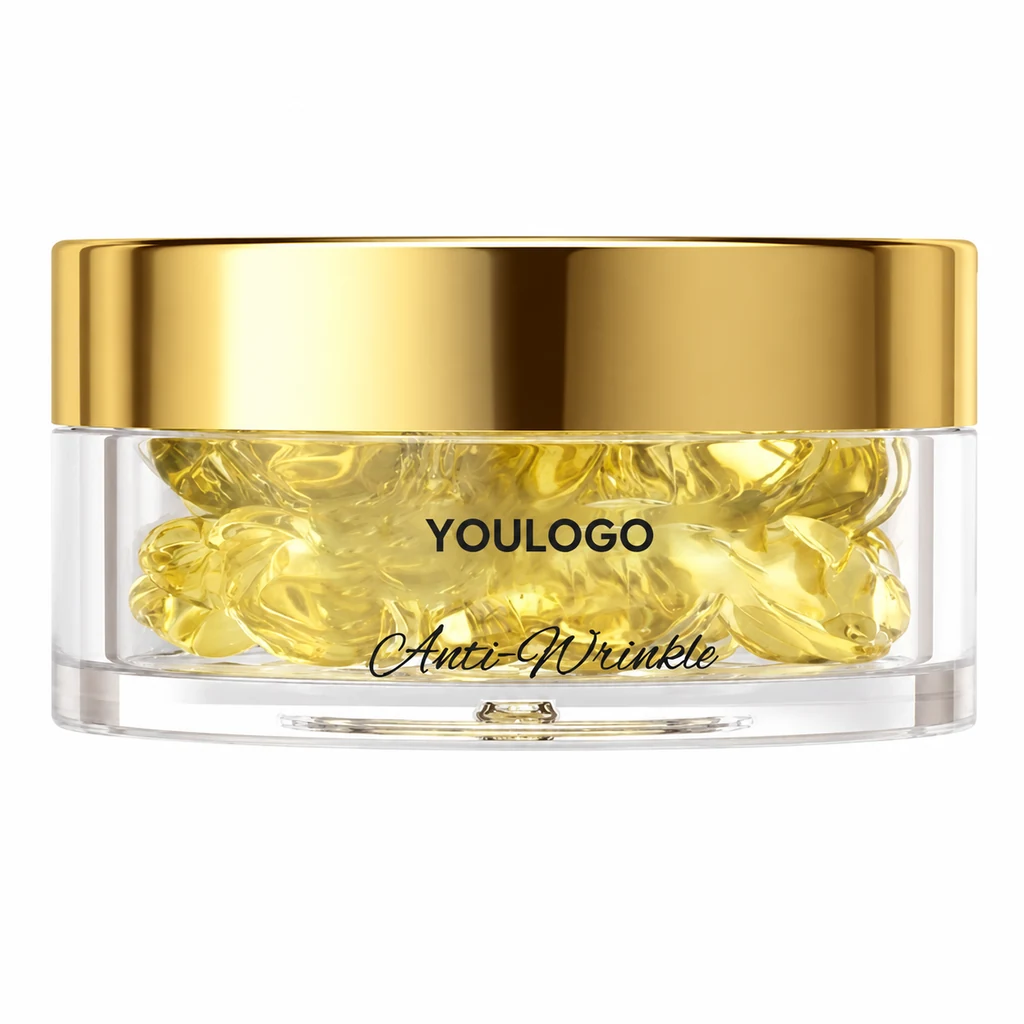
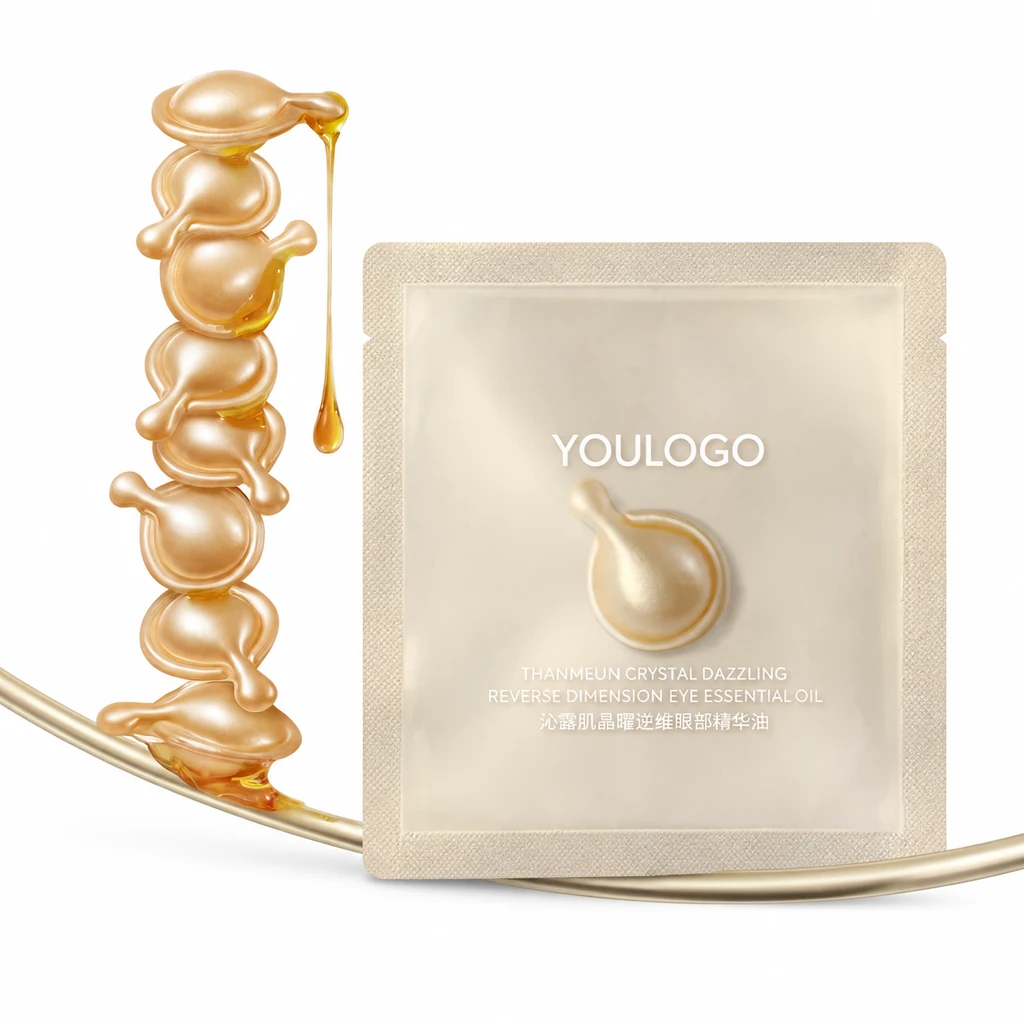
Compact capsule formats for under-eye or targeted eye-area routines where one unit must feel intentional.
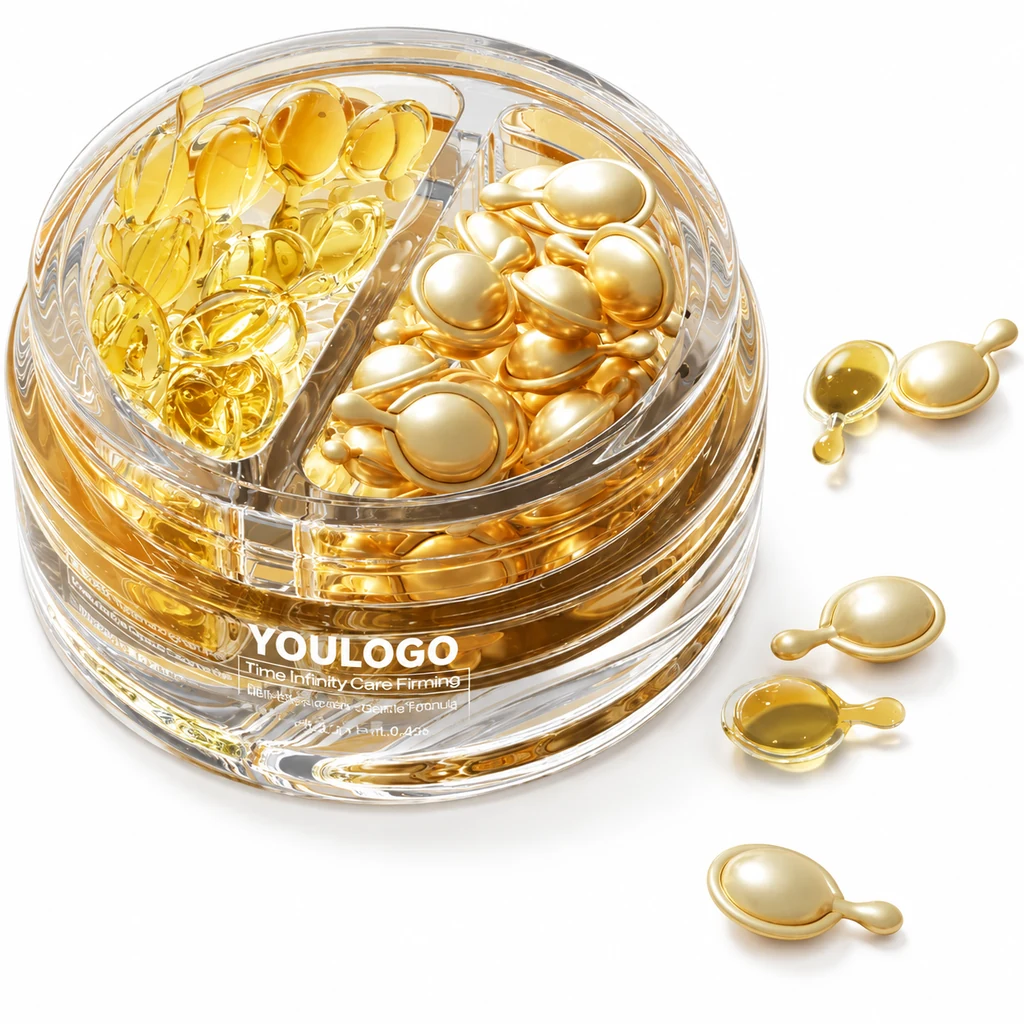
Visual formats that need capacity, opening and application review before the look becomes the decision.
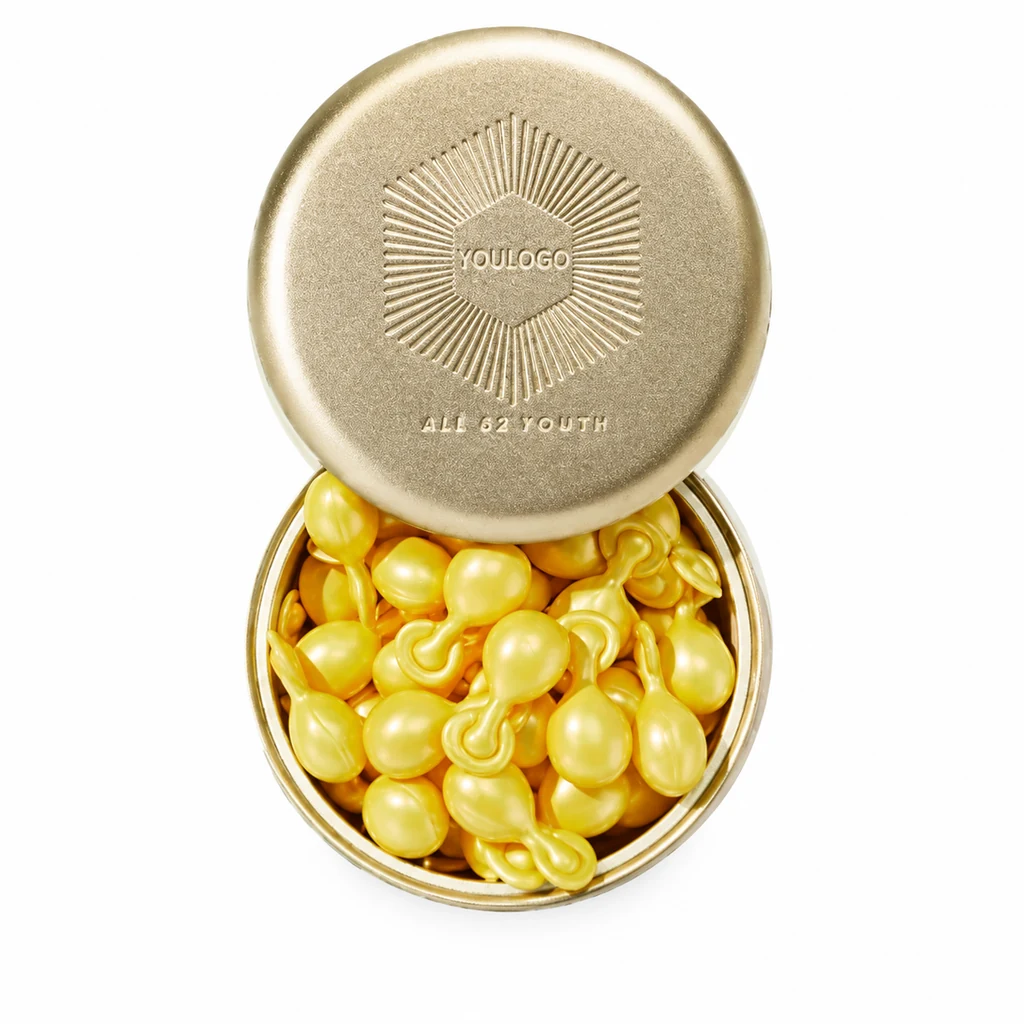
Mini jars, blister cards or set boxes for high perceived value and controlled sample programs.
Product customization options
Choose the decisions that make this product route workable: shell material, appearance, shape, fill amount and packaging. Final options remain subject to formula and project review.
Review shell compatibility and appearance for the eye-area formula before locking a premium visual direction.
A distinctive shape can support perceived value, but it still needs capacity, opening and package-fit review.
Define the eye-area amount and application method before selecting mold capacity or a set format.
Choose a controlled individual or premium set format that keeps the small-dose routine clear to the buyer.
Product line building
The goal is not to push more SKUs. The goal is to show which range structure fits the buyer stage, channel and package count.
Use when the product needs strong perceived value and a repeatable eye-care ritual.
Use when buyers need a small trial pack before larger retail commitment.
Use when the eye capsule has a clearly different fill amount and use case from the face capsule.
Use when presentation and capsule count support a higher-value launch.
Pain-point solutions
These blocks translate common sourcing concerns into project decisions: formula, shell, mold, packaging, MOQ and claim boundaries.
Define one-use amount and application area before selecting mold capacity.
Review twist, squeeze or opening feel with representative samples and the intended user route.
Match pearl or teardrop appearance to fill range, package and production practicality.
Keep fine-line, dryness or comfort language within the finished formula evidence and market requirements.
Development support
For B2B buyers, support means fewer unclear sample rounds. PZIK helps structure the project brief so Guangzhou Cowin Biotechnology Co., Ltd. can review the capsule route, sample configuration and production discussion with a clearer scope.
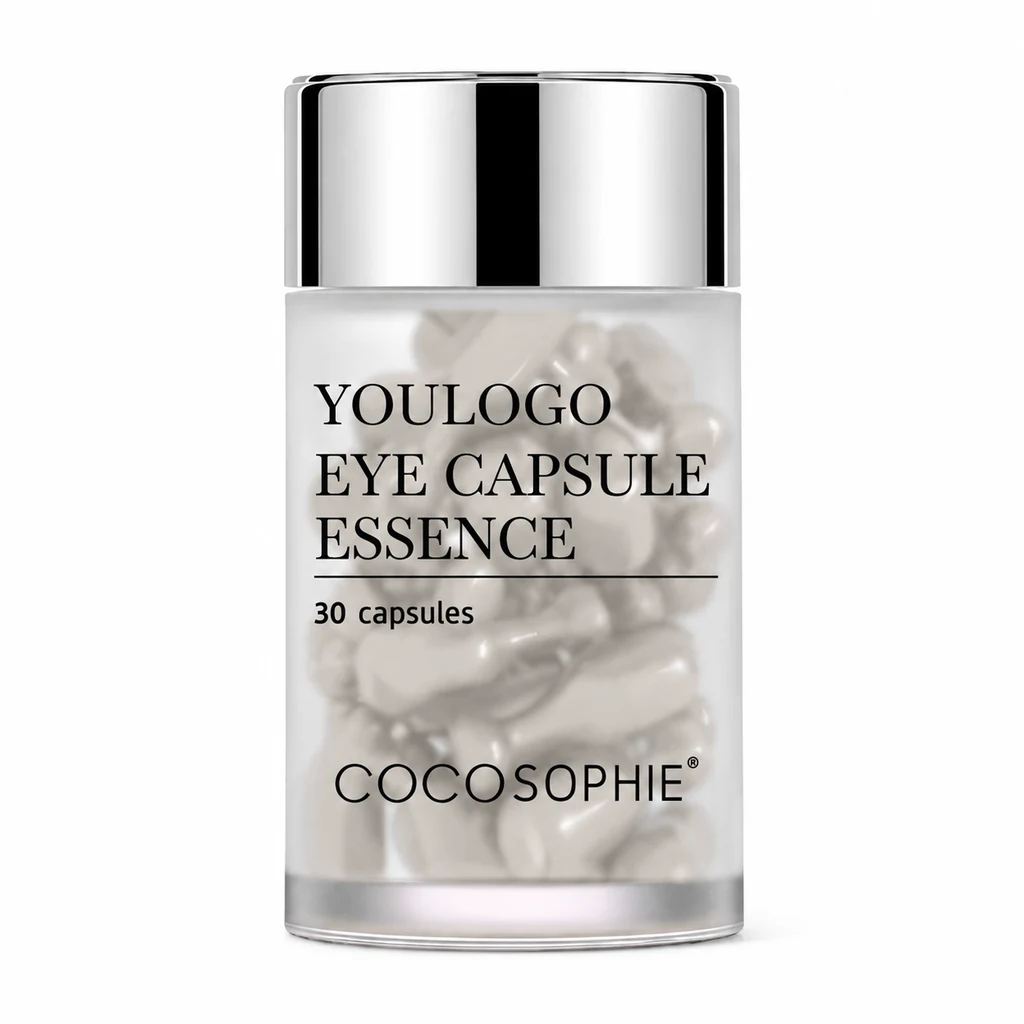
Packaging selection
Packaging should be chosen from the sales channel and sampling role, not after the product has already been treated as finished.
Good for repeat use and visual value when the count and handling route are clear.
Good for small-dose samples, individual use and clean presentation.
Good when the eye capsule is part of a premium routine or bundle.
Good for seeding and channel tests where low pack count and clarity matter.
Production process
This sequence turns the page into a practical RFQ guide: the buyer sees which decisions must be confirmed before samples, packaging and production are discussed.
Confirm the target market, sales channel, capsule use case, launch timing and quantity range before sampling starts.
Review the fill direction, shell route, sensory target and open technical questions as one capsule system.
Match shape, indicative fill range and opening experience to the intended use and package format.
Choose jar, blister, pouch, carton or set format according to count, channel, protection and presentation needs.
Evaluate samples against the agreed formula version, shell, mold, fill weight, package and acceptance points.
Move to production after the specification, packing route, quality checkpoints and requested documents are aligned.
Quality evidence
Qualification files and factory evidence should support buyer due diligence without overstating what any certificate proves for a finished project.
PZIK is the capsule skincare B2B brand; Guangzhou Cowin Biotechnology Co., Ltd. is the manufacturing entity supporting project review and production discussion.
Available documents may include ISO 22716, GMPC, ISO 9001, Halal, MSDS, COA and related product files depending on project requirements.
Appearance, fill, shell behavior, packaging and documentation checkpoints should follow the approved product configuration.
Factory visuals, qualification files and project documents support buyer review, but final scope and validity should be confirmed for each market.
Related B2B insights
Use these guides to prepare a more complete brief before samples, packaging or quotation assumptions are fixed.
Browse all insights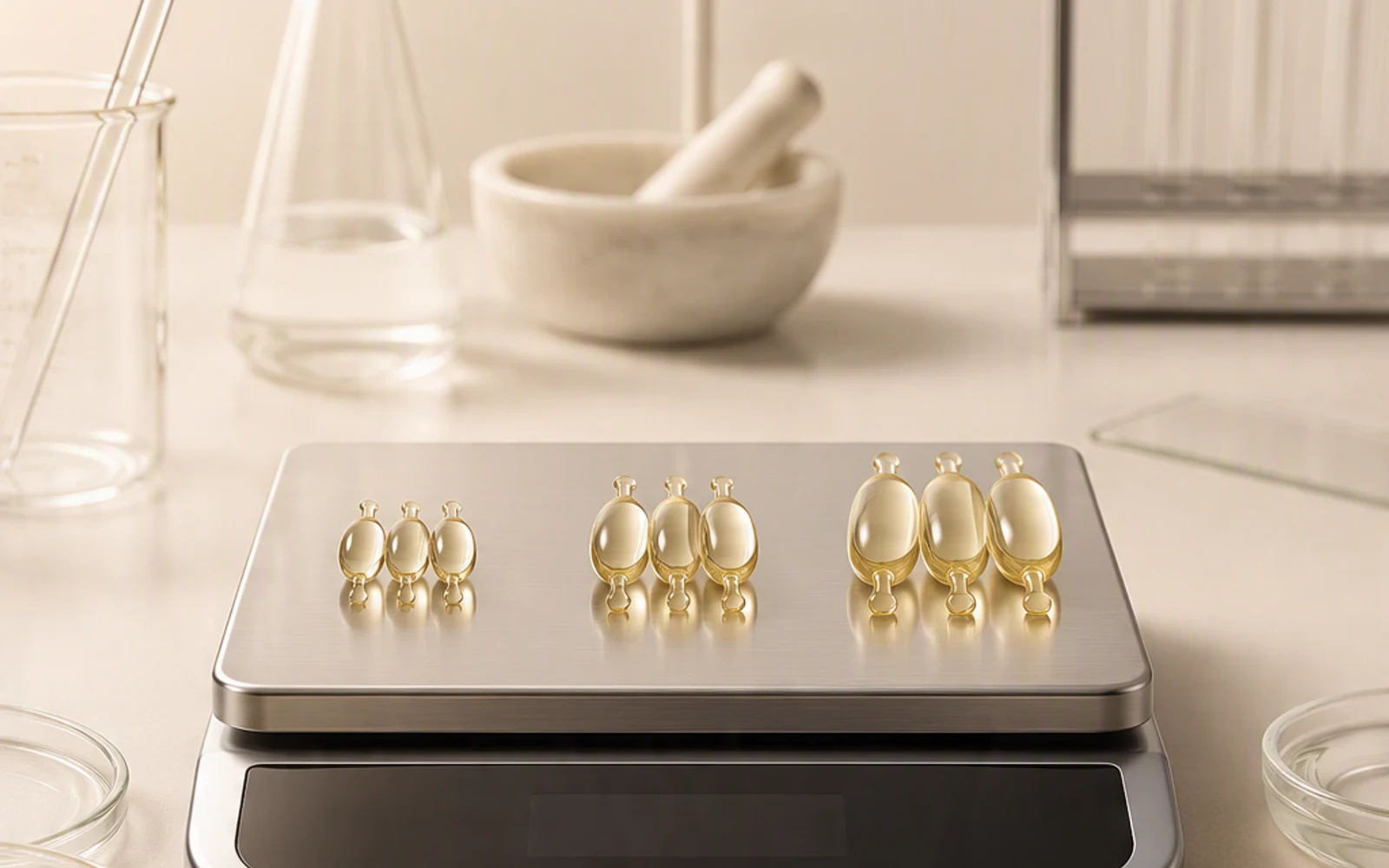
Define the eye-area use and amount before selecting a compact mold.
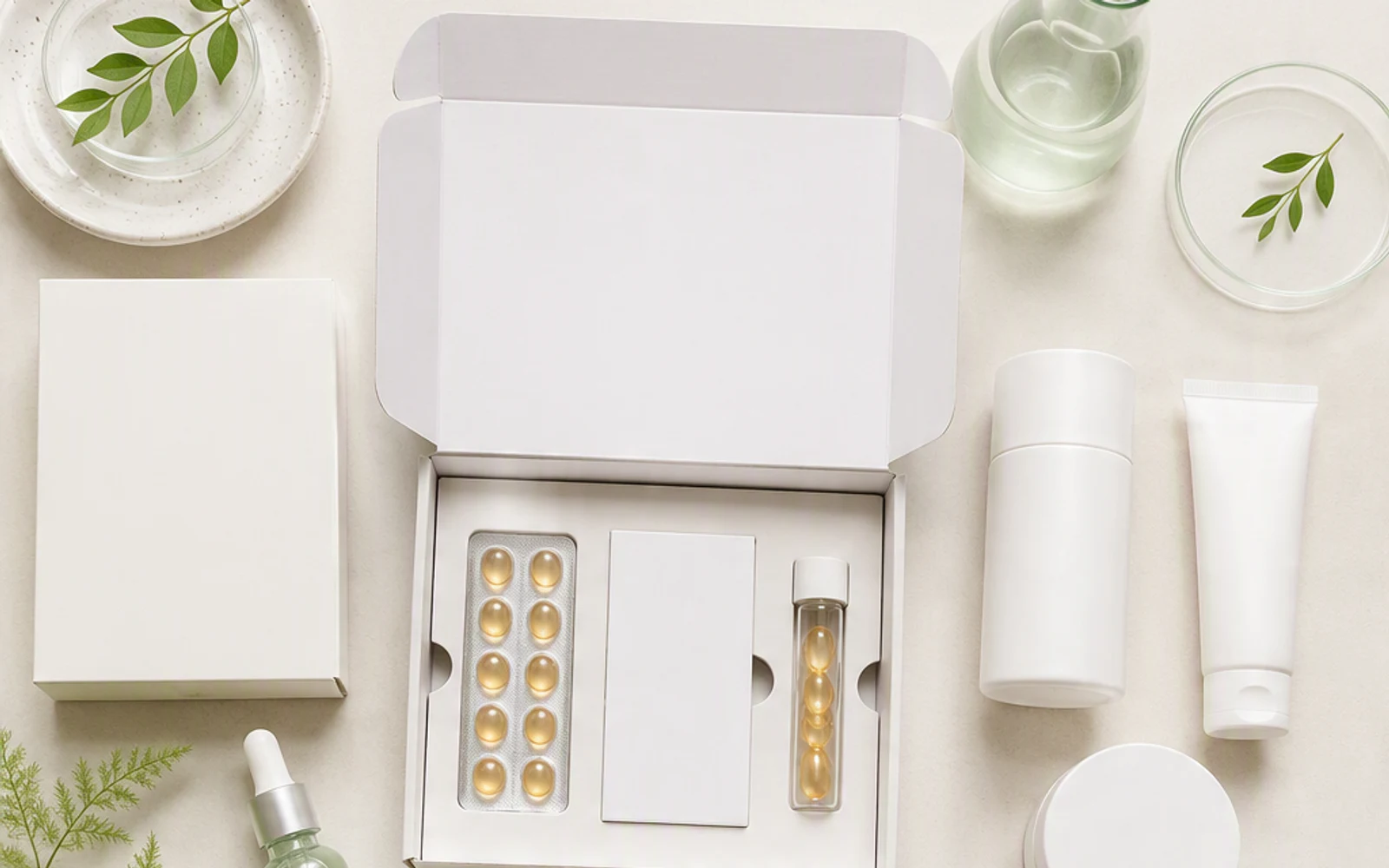
Review opening, dose, appearance and package fit with a named sample scope.
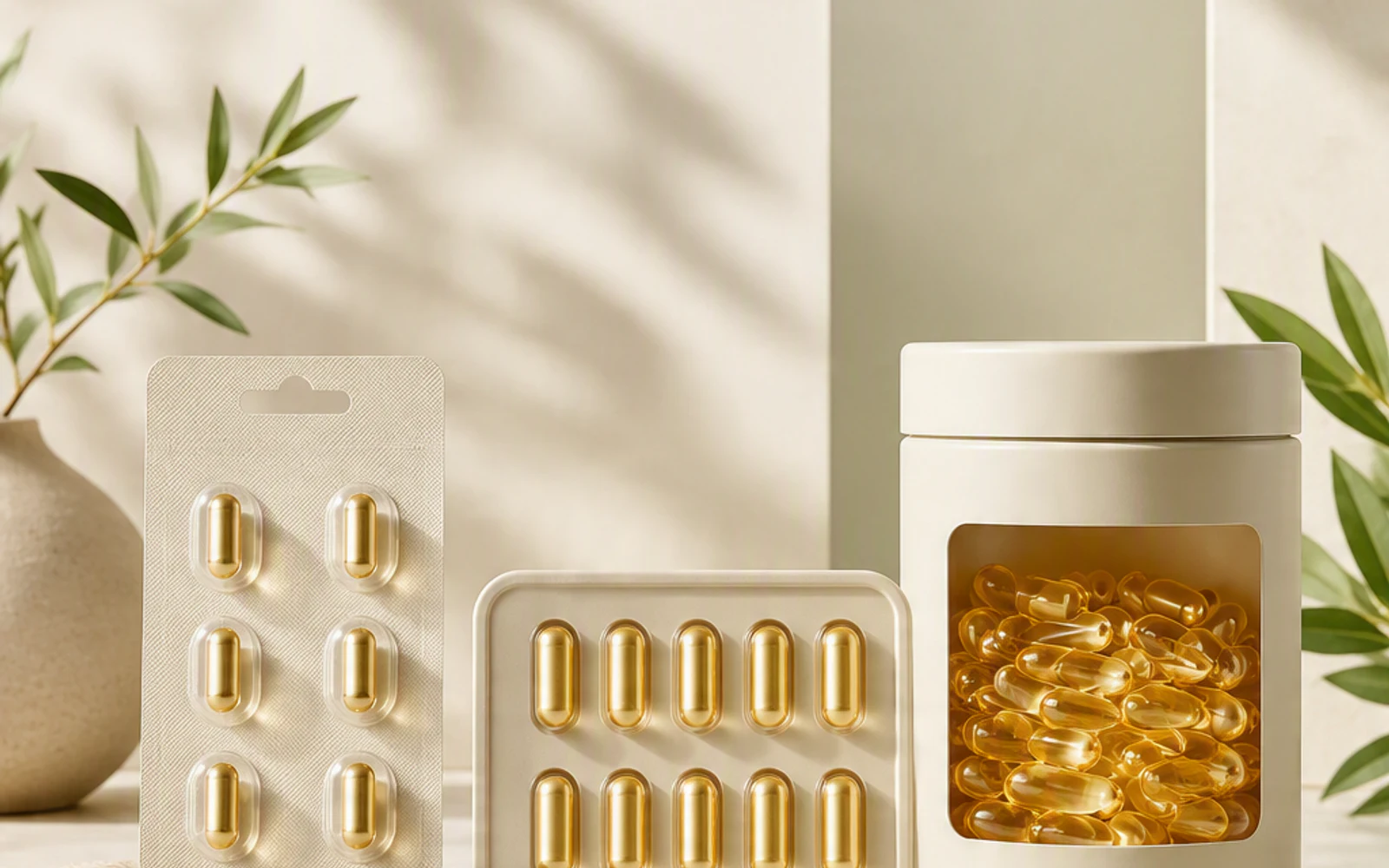
Use count and package to make a small-dose eye-care route easier to explain.
RFQ path
Share the intended eye-area use, formula feel, preferred visual, fill amount, package route and market so the small-dose capsule can be reviewed practically.
Packaging design references only. Placeholder branding and printed label claims are illustrative; ingredients, performance, shell material, stock and market availability require project confirmation.